


Landscapers are constantly weighing up the best ground covers for reliable weed suppression, moisture retention and erosion control. Decision-making is also based on environmental conditions, sustainability goals, and achieving faster plant establishment.
The wrong ground cover can lead to poor plant performance, not to mention wasted time and money.
Our SmartGro matting range sets the benchmark for high-performing natural fibre solutions. Not all matting products are created equal, and we’ve gone beyond the catalogue to find and work with producers who genuinely understand their materials from how fibres are harvested to how they perform in real landscapes. We believe that’s what gives our customers peace of mind when purchasing and installing our Jute, Wool, and Coco Fibre (coir) range.
The Top Performers:
Which matting is right for your project?
| Matting Type | Highlight | Best For |
|---|---|---|
|
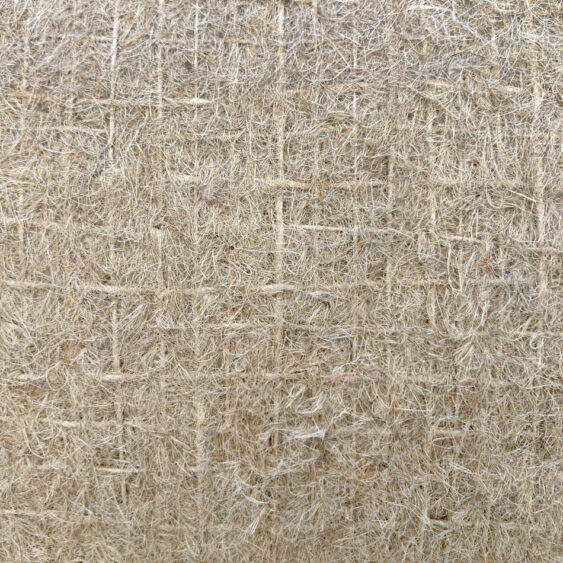
SmartGro Jute Matting 750gsm
|
Our #1 bestseller | Heavy-duty erosion control, steep banks, and long-term weed suppression. |
|
SmartGro Jute Matting 550gsm
|
Versatile and cost effective | General landscaping, flat areas, and intensive planting projects. |
|
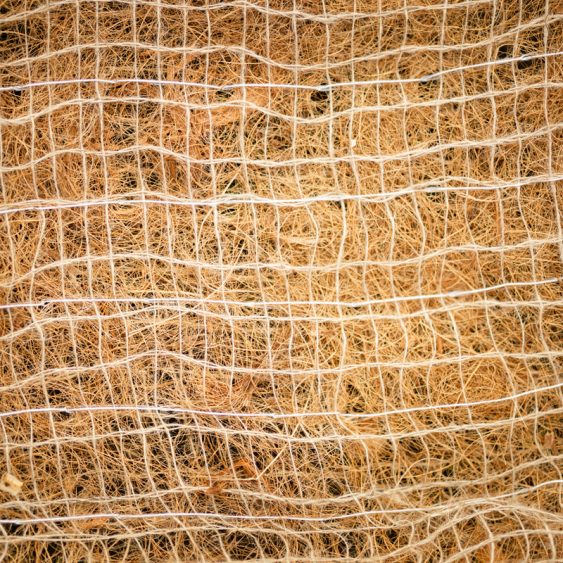
SmartGro Coco Fibre Matting
|
Ultimate durability | High-flow water channels and extreme slope stabilisation. |
|
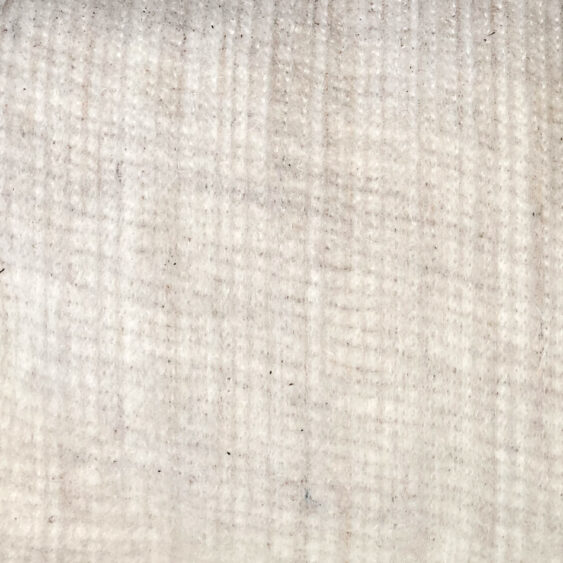
SmartGro Wool Matting
|
Fully biodegradable | Suppresses weed growth for 8–12 months while supporting plant establishment. |
PROJECT SPOTLIGHT:
A Pristine Landscape at Te Arai Links

This landscaping project at Te Arai Links used SmartGro Coco Fibre Matting for its durability and moisture retention qualities in a coastal site, resulting in valuable plant protection from high-winds and demanding soil conditions. The matting is biodegradable and has an aesthetic quality that doesn’t compete with the natural beauty at Te Arai Links – both important factors for this world-class golfing and hospitality venue.
Get in touch with our landscape team who would be happy to chat through the right choice for your projects and provide you with a detailed quote.
FAQs: Horticulture Fabrics
To help with your decision-making, we’ve gathered the top questions our sales team are fielding on a weekly basis around horticulture fabrics.
-
Which matting offers the best weed suppression?
All three options provide effective weed suppression when installed correctly, but heavier grades like jute 750gsm and coco fibre 1200gsm matting deliver the strongest barrier. Coco fibre tends to last longer, making it ideal for sites where extended weed control is needed.
-
How do I choose between jute, wool, and coco fibre?
It comes down to your project conditions and goals.
• Jute is a reliable all-rounder, great for erosion control and general landscaping. A smart choice if cost and ease of installation is important.
• Wool is ideal where biodegradability and soil health are priorities, especially in planting-focused projects.
• Coco Fibre (Coir) is the most durable option in the 1200gsm grade, suited to exposed sites like coastal or high-wind areas. The 300gsm and 450gsm are ideal for erosion control.
-
How long does each type of matting last?
Lifespan varies depending on environmental conditions:Jute: typically 6–24 months
• Wool: around 12–24 months depending on blend and conditions
• Coco Fibre: can last several years, making it the most durable optionFaster breakdown can occur in warm, wet environments. If concerned about biodegradable breakdown, our woven weedmat is the best option.
-
Is natural fibre matting environmentally friendly?
Yes. All SmartGro matting options are made from natural fibres and are biodegradable. Wool and jute break down more quickly, contributing organic matter to the soil, while coco fibre offers a longer-lasting natural solution before eventually decomposing.
-
Which matting is best for erosion control on slopes?
Heavyweight Jute and Coco Fibre matting are both strong performers on slopes. Jute conforms well to the ground and establishes quickly, while coco fibre provides longer-term reinforcement in more exposed or high-risk areas.
-
Will the matting affect plant growth?
No, when installed correctly, matting supports plant establishment. It helps retain soil moisture, regulate temperature, and suppress weeds, all of which reduce competition and stress on young plants.
-
Is matting suitable for large-scale projects?
Absolutely. Jute, particularly 550gsm, is a cost-effective option for large areas. It’s easy to handle, quick to install, and delivers reliable performance across general landscaping applications.
-
Can matting be used in coastal or high-wind environments?
Yes, but product choice matters. Coco Fibre matting is a popular option for coastal sites due to its durability and resistance to harsh conditions, as seen in projects like Te Arai Links.
-
How is the matting installed?
Matting is typically rolled out over prepared ground and secured with pins or staples. Proper ground preparation and firm fixing are key to ensuring performance, especially on slopes or exposed sites. We supply a range of fasteners to assist.
-
What should I consider before choosing a matting type?
Think about site conditions, project timeline, budget, and desired lifespan. Also consider how quickly plants will establish, as faster canopy closure may allow for lighter or shorter-life options like jute or wool.

